Bishopscourt Blinds / Products / Venetian blinds
Venetian blinds, for the light you want to aim rather than block
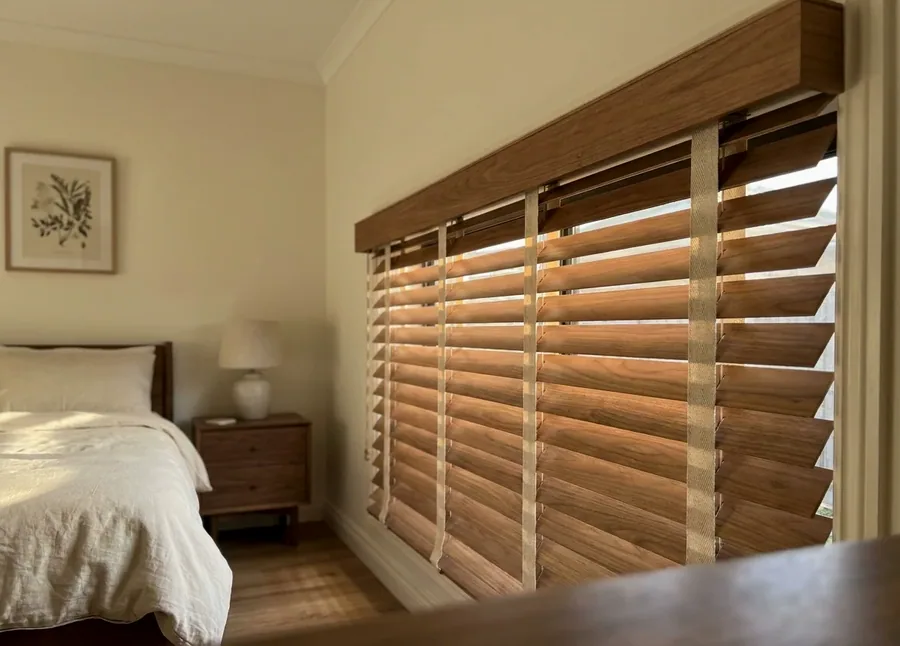
Horizontal slats on a tilt mechanism, in warm timber or slim sealed aluminium. The only product that lets you keep a window bright while sending the glare at the ceiling instead of your eyes.
A stack of slats that tilt — light control by angle, not by amount
A venetian is a ladder of horizontal slats that rotate together on woven tapes or cords. Tilt them one way and the room is private and shaded; tilt the other and daylight bounces off the slat faces onto the ceiling, which lights a room far more evenly than an open window does. Pull the whole stack up and the slats gather neatly under the headrail.
That angle control is the reason venetians are still the right answer under a tree canopy. When the sun is low and hard through the branches, a roller either stays up and lets the glare in or comes down and takes the room with it. A venetian simply changes the angle and the problem disappears — without you losing the window.
Timber or aluminium — and it is not just a look
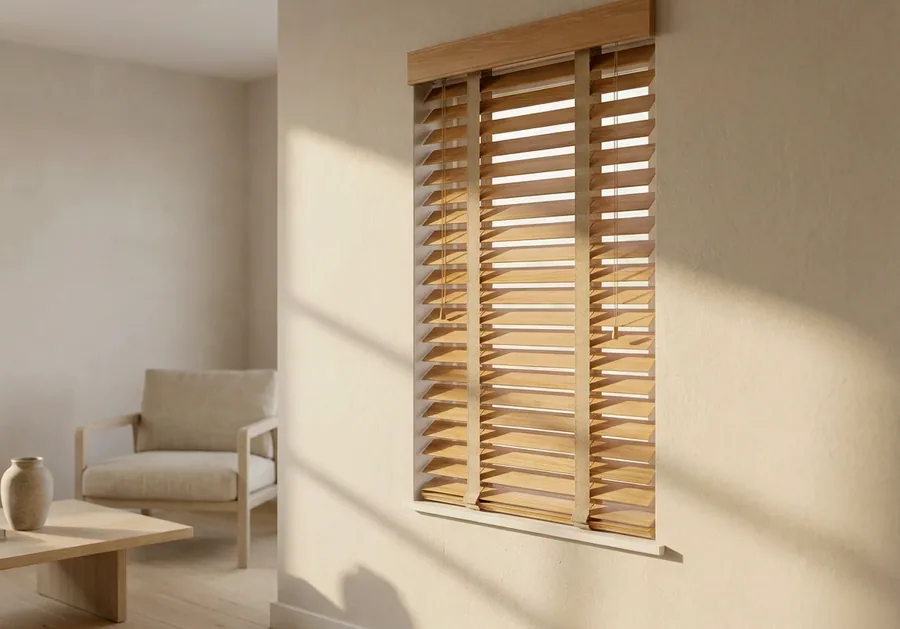
Timber slats
Warm, wide slats on woven ladder tapes. They suit older Bishopscourt joinery, deep sash reveals and rooms with a lot of wood in them already. Best kept out of the wettest rooms unless the finish is specified for it.
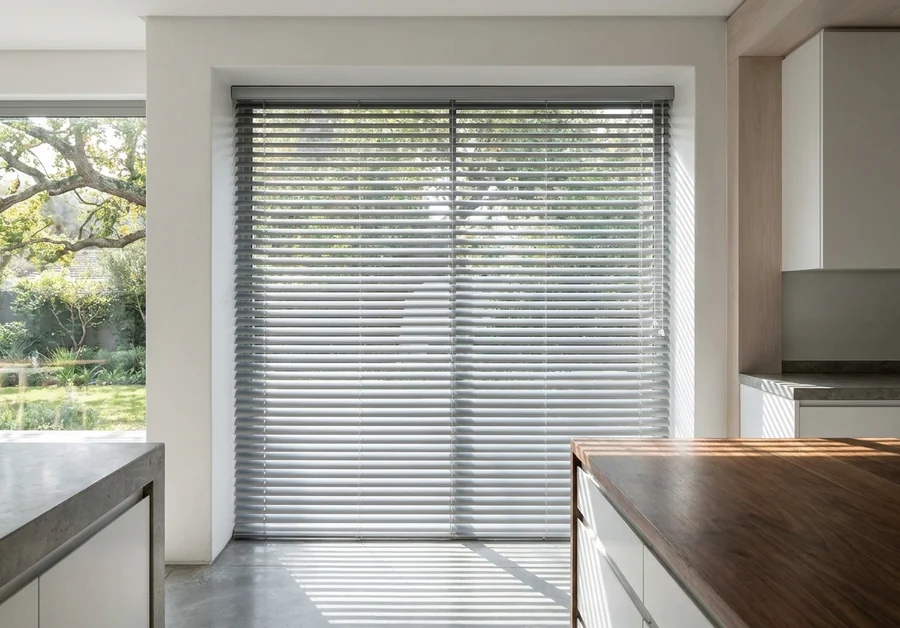
Aluminium slats
Slim, sealed-finish slats that shrug off steam and damp. The right choice for kitchens, sculleries, bathrooms and cold south-facing rooms where a timber slat would eventually swell or bow.
Slat widths
Narrow slats give finer control and a tighter closed stack; wide slats give a cleaner view through when open and a shorter stack at the top. We match the width to the window size rather than running one width through the house.
Tilt and lift
Wand tilt with a cord lift, cord-and-chain, or a motorised tilt-and-lift head. On children’s rooms we default to a wand or a motor so there is no hanging loop at all.
Where a venetian is won or lost
- Ladder tape or cord — tape hides the route holes and reads softer on a timber slat; cord keeps the stack slimmer at the head
- Headrail depth checked against your reveal at the measure, so an inside mount does not end up sitting proud of the frame
- Valance or bare headrail, chosen to sit with the architrave rather than fight it
- Bottom rail weight matched to the drop — too light and the blind swings in a draught, which is a real issue on a windy stoep-side window
- Sealed slat finishes and corrosion-resistant fittings specified anywhere the room stays damp
- Hold-down brackets on doors and tilt-and-turn windows so the blind travels with the sash instead of clattering against it
Old sash windows, deep reveals, and rooms that never fully dry out
A lot of Bishopscourt stock is architect-designed mid-century or Cape Dutch-revival, and both bring deep-set windows with joinery you do not want to drill carelessly. A venetian is usually the easiest product to fit sympathetically: the headrail is slim enough for an inside mount in most reveals, and where it is not, a face-fixed headrail above the architrave keeps every fixing out of the sash itself.
The damp is the other half of the brief. This is one of the wettest corners of the Peninsula, and a shaded south-facing room here can stay cold and moist for weeks. That is where we steer people towards sealed aluminium rather than timber — not because timber is worse, but because a slat that swells is a slat that stops tilting.
Timber and aluminium venetians, suburb by suburb
The tilt-to-aim logic works as well on a Constantia homestead’s deep-set sash as it does on a Claremont apartment’s aluminium-framed glass. We fit venetians across Constantia, Newlands, Claremont and Rondebosch, matched each time to the joinery and how damp the room runs.
Venetian blind pricing, as a guide
What the slat is made of leads the price. Per square metre installed, as a guide: 25mm or 50mm aluminium runs R1,000 to R1,500 hand-operated and R2,500 to R3,600 with a motor. Hand-finished timber, being wider and heavier, runs R1,600 to R2,600 hand-operated and R3,000 to R4,500 motorised.
Price the wet-room rule in early. Aluminium belongs in bathrooms, sculleries and on any damp southern elevation; timber belongs in the drier living rooms and studies. Reversing that afterwards costs more than getting it right on the day. Openings below roughly a square metre attract a minimum, since headrail, tilt gear and ladder tapes barely shrink with them. Each window is confirmed in writing after the measure.
Worth knowing before the measure
An interior venetian tilts the glare away, but the room still heats up. What then?
That is the honest limit of any blind hung inside: by the time it does its work, the sun has already come through the glass and the heat is in the room. The premium answer is to move the slats outside — an external venetian is the same tilt-to-aim logic in a heavier powder-coated slat, mounted in front of the glass on the wall, so the heat is stopped before it ever loads the window. They run motorised, with a wind sensor that retracts the stack when the south-easter comes over the mountain. On a Bishopscourt north or west elevation that is the strongest thing we fit, and the consultant will tell you plainly at the measure whether your window justifies it or whether an interior venetian is enough.
Do venetians collect dust under all these trees?
They collect more than a flat roller does — that is honest. A wipe along the tilted stack with a damp microfibre cloth handles it, and a wider slat means fewer surfaces to run along. If a room is genuinely a dust trap, we will say so and suggest a roller or cellular for that window instead.
Can you match timber slats to our existing joinery?
We can get close, and the consultant brings physical samples to hold against the actual frame in the actual light. Timber is a natural material, so we would rather show you a real sample next to your architrave than promise an exact match off a code.
Will a venetian work on a tilt-and-turn or a door?
Yes, with hold-down brackets fitted to the bottom rail so the blind stays with the moving sash. It gets checked at the measure, because the bracket has to land on something solid.
Other things we fit in Bishopscourt
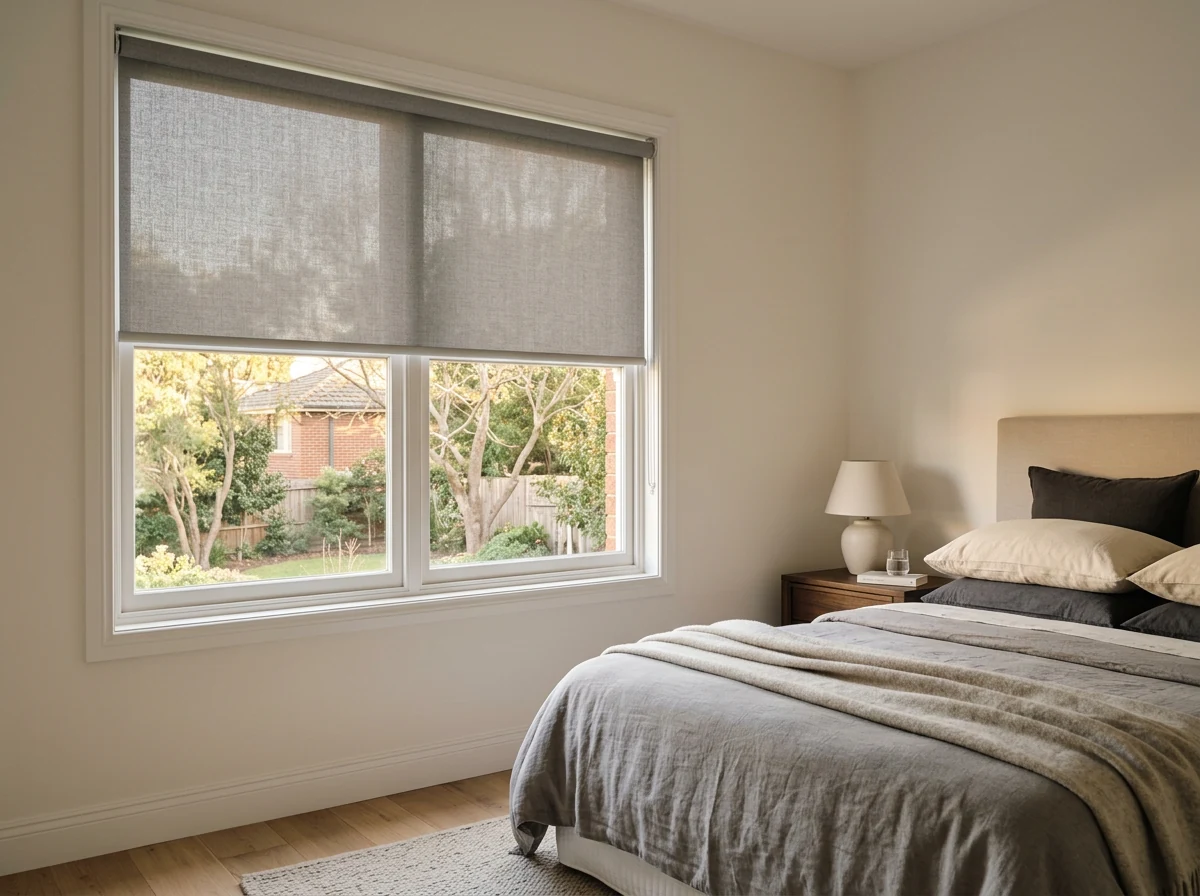
Roller Blinds
Blockout, sunscreen and day-night on one clean tube.
Explore →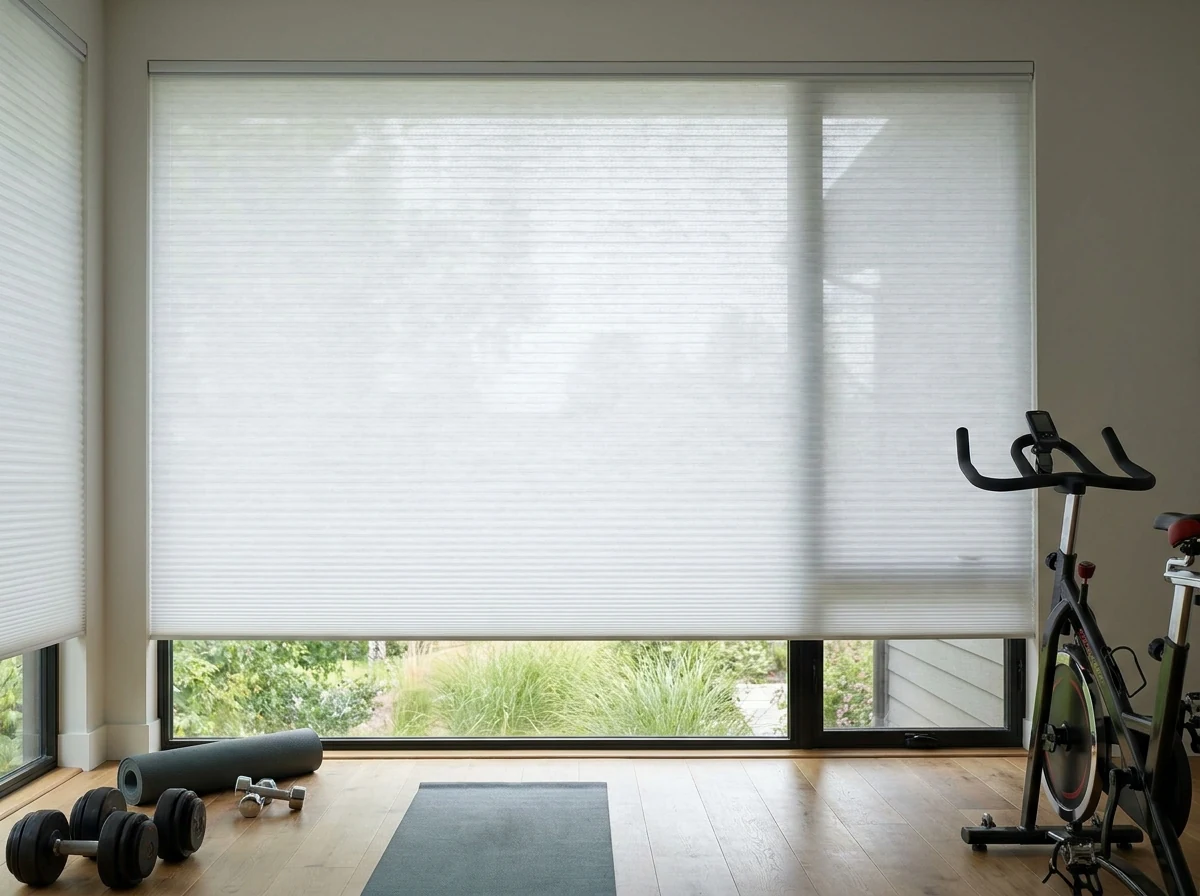
Cellular Honeycomb
Air cells at the glass — the warmest option for cold rooms.
Explore →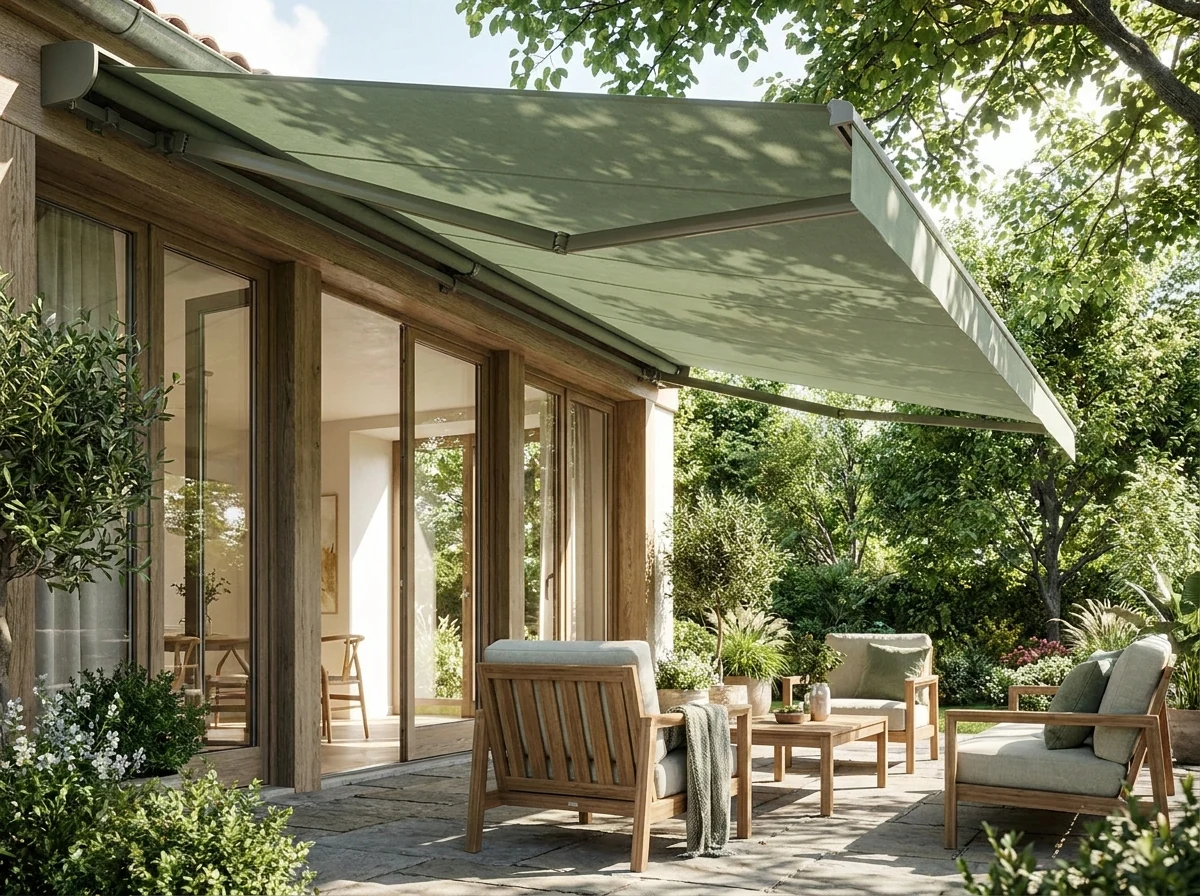
Folding-Arm Awnings
Retractable shade over the stoep, gone by evening.
Explore →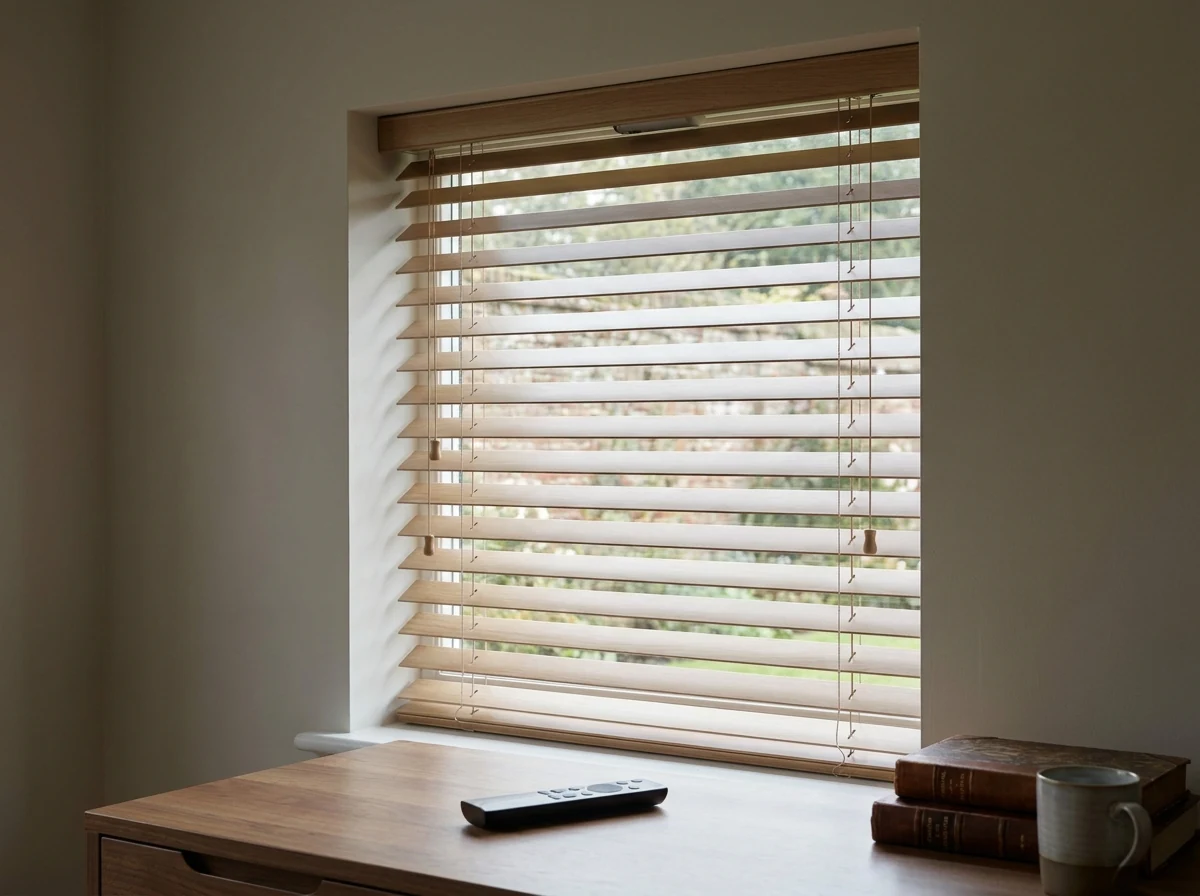
Motorisation
Motorised tilt and lift, on a switch, remote or phone.
Explore →Timber or aluminium for your rooms?
It usually comes down to how damp the room gets and how deep the reveal is. The consultant checks both on site and brings real slat samples to hold against your frames.
Tell us about your windows
Tell us which rooms you are looking at and whether you are leaning towards timber or aluminium. One of our expert consultants will contact you shortly to arrange your free in-home measure.
- No obligation, no call-centre — a consultant calls you directly
- Fabric samples brought to the measure, not just a screen swatch
- Written, itemised quote before anything is ordered